
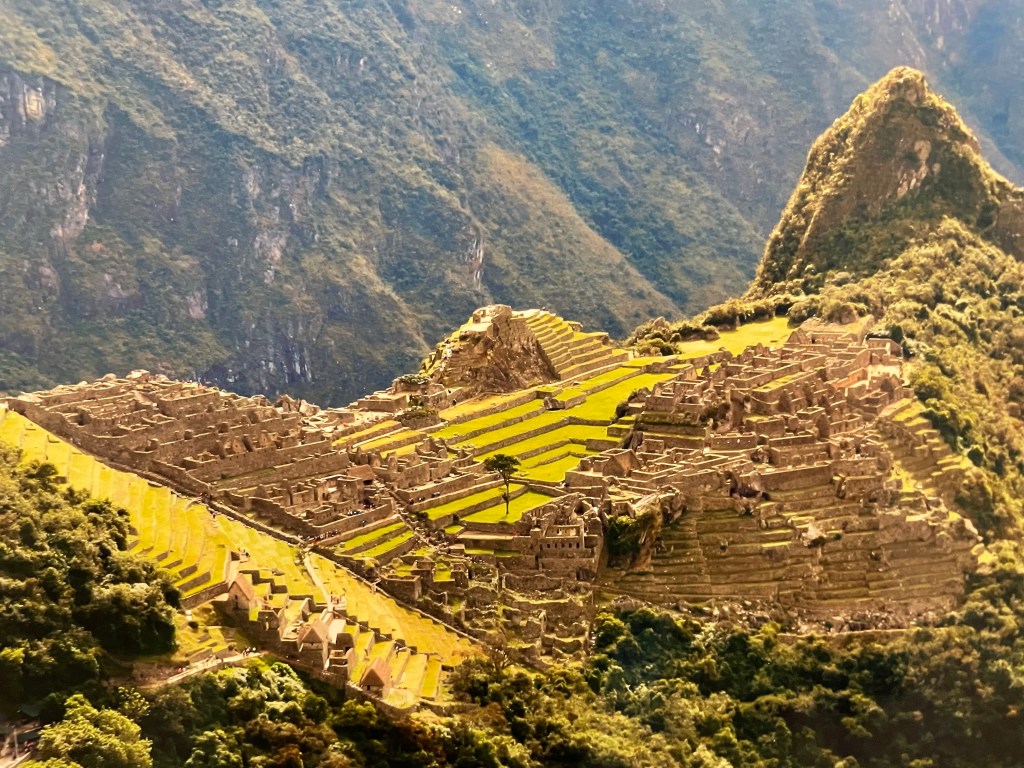
Machu Picchu is a 15th-century Inca fortress high on a mountain ridge in southern Peru. It’s about 50 miles northwest of Cusco, Peru and the destination we picked in 2013 for another adventure.
The Lares Trek is a lesser known route than the traditional Inca Trail and begins in Lares, Peru just north of Cusco. It is a three-day high altitude trek, traversing part of the Sacred Valley. It seemed like the route of choice for us as no permits are needed and it is much less crowded than the Inca Trail.
We flew into Cusco via Lima in May of 2013 and stayed there for 2 nights to acclimate to the elevation. Cusco sits at an elevation of 11,200 ft and you can feel the lack of oxygen as you walk around the hilly town.
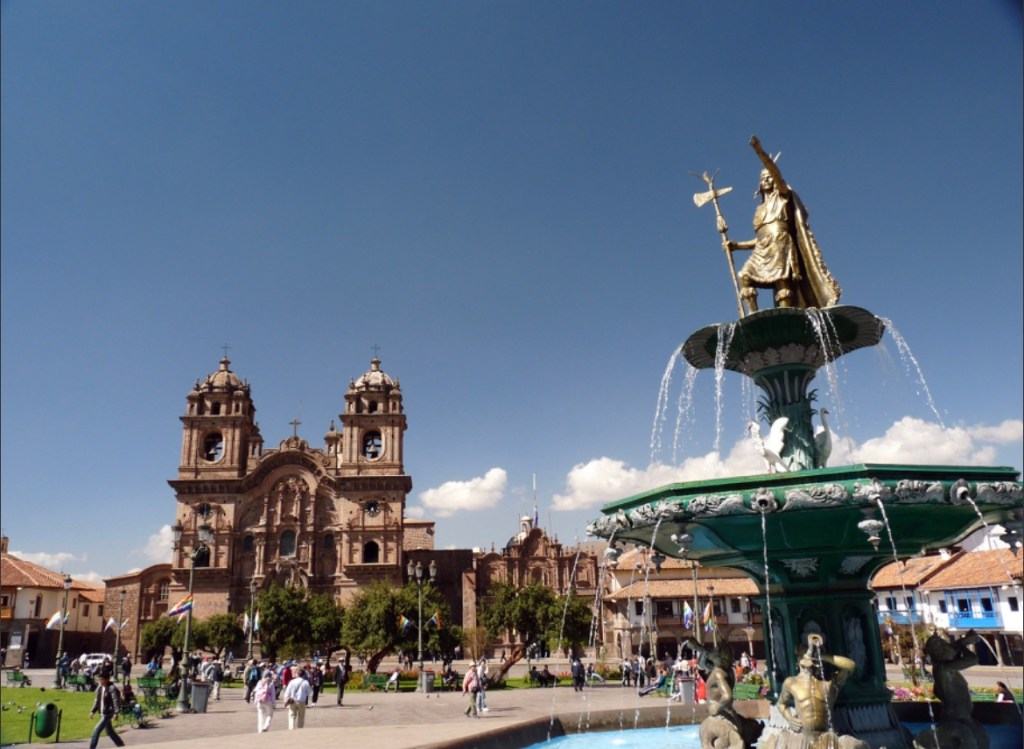
Plaza de Armas is the main square of the city and is surrounded by restaurants and shops. It is a bustling area and we found out quickly that traffic signs are optional and not followed by the locals.
For the next two days as we prepared for our trek, we roamed around Cusco. We discovered a textiles shop where we watched the locals weave and make yarn out of alpaca fur. We wandered through San Pedro Market in awe of all the fresh fruit and vegetables, many of which we didn’t recognize. We opted not to try the local favorite, Guinea pig on a stick, but saw our fair share of the little creature throughout our stay.
Bright and early on our third day we packed ourselves in a van and left for Lares with our guide, Eddie; our driver, Roberto; and the best camp assistant ever, Lucille. We picked up our cook, Hirardo, along the way and made it to Lares several hours and mountain passes later.
Lares is nestled in the mountains at 9500 ft and is a vibrant town with a big local market that brings all the highland peoples down with their colorful outfits and rosy cheeks. The market was full of local foods and textiles. Eddie had mentioned to us that there would be local children along the route that loved visitors and would come to welcome us to their village in return for goodies from the trekkers. With this in mind, we stocked up at the market on little candies and treats that we could give out along the way.
After Hirardo collected all the supplies needed for the next three days at the market, we drove to the starting point of our trek, Lares Hot Springs.
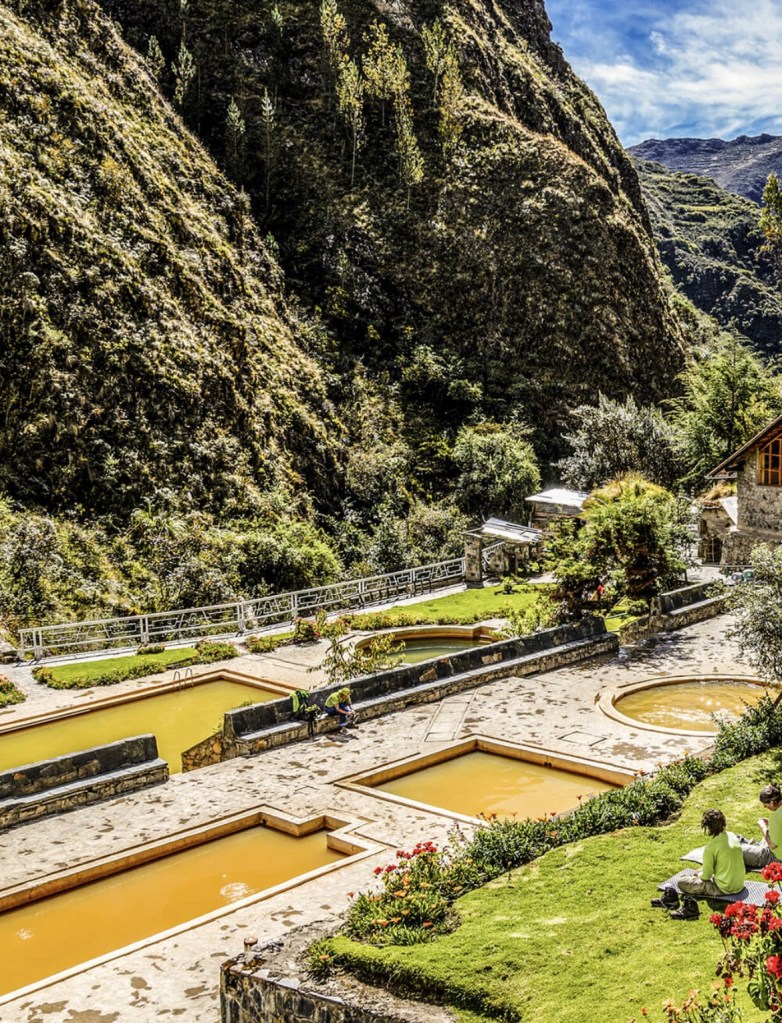
The natural mineral pools would have felt divine after the three days trekking but were still a treat before we began our journey. There are a series of pools ranging from lukewarm to pretty darn hot and we enjoyed each one. Hirardo had made lunch while we soaked and we ate a delicious meal of trout, veggies, and barley overlooking the pools before putting on our day packs and commencing our trek.
We began in a valley and hiked our way up, seeing many highland people with their alpacas and cows. The women all wearing traditional hats and bright red skirts dyed from a local seed.
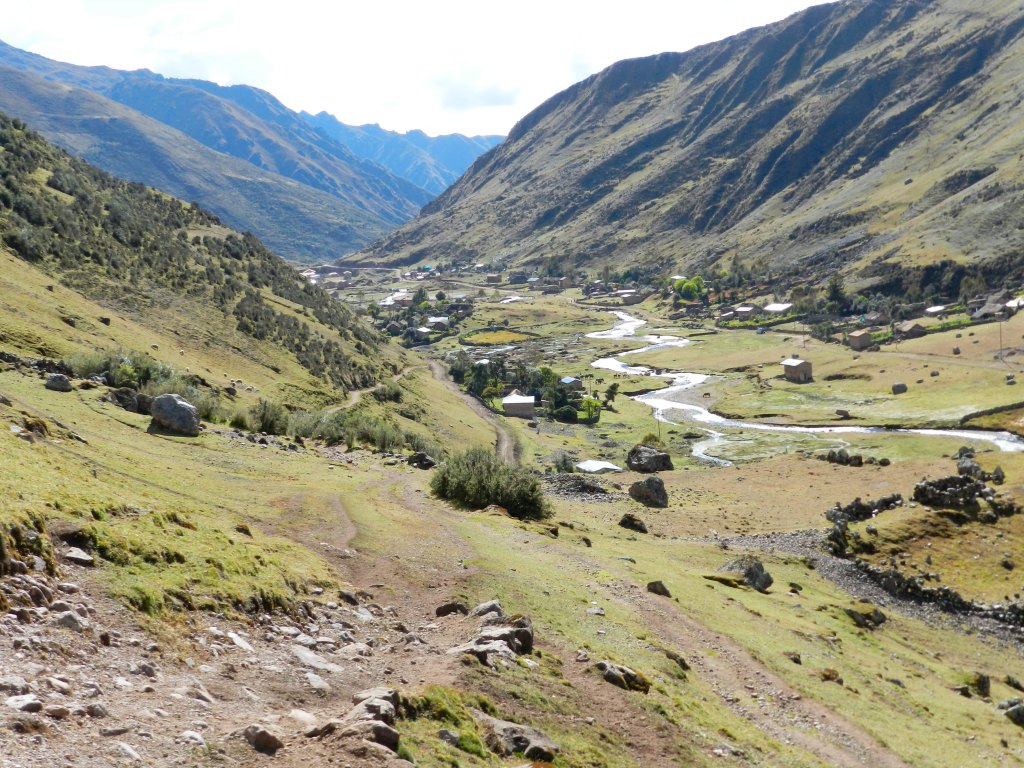
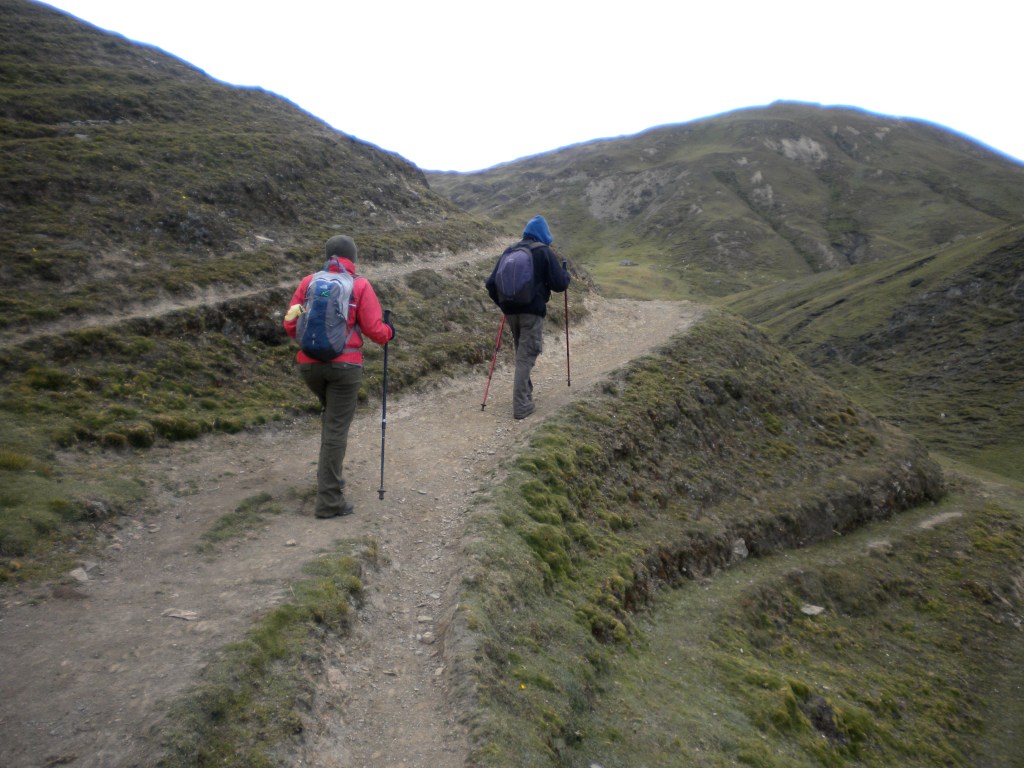
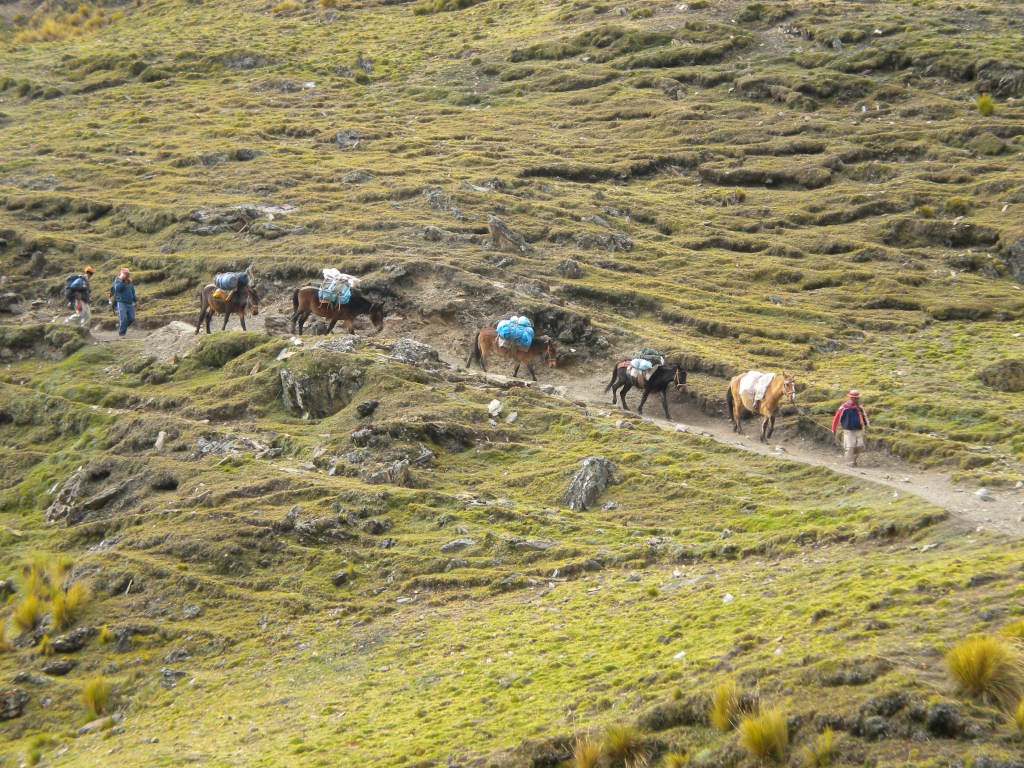
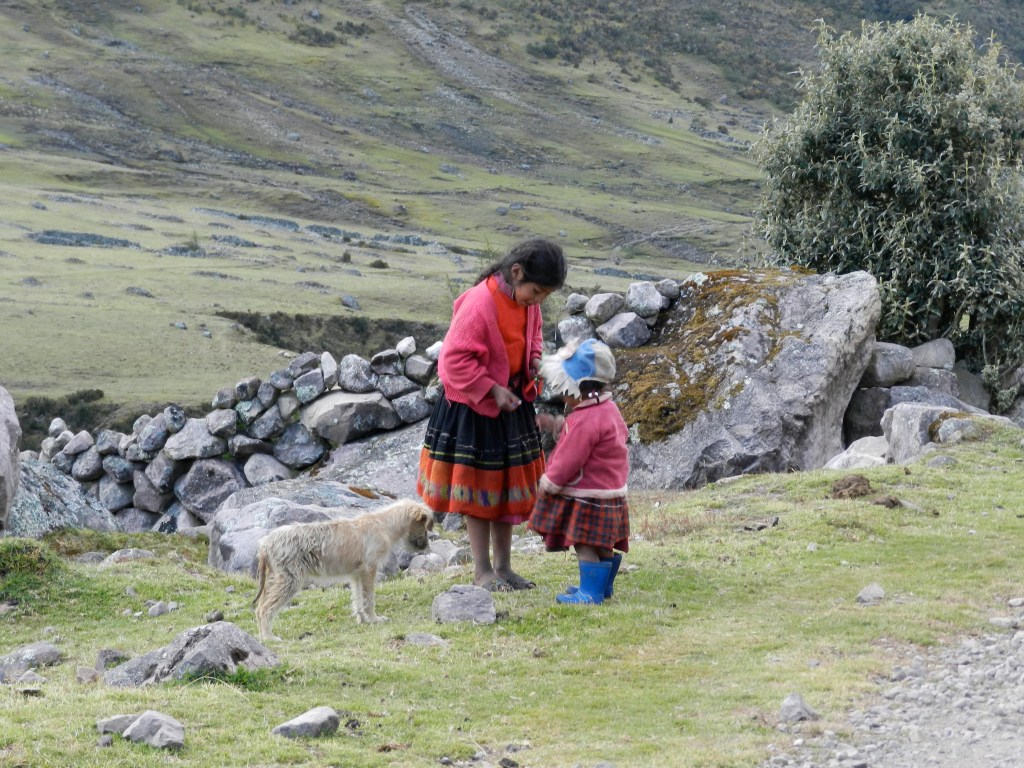
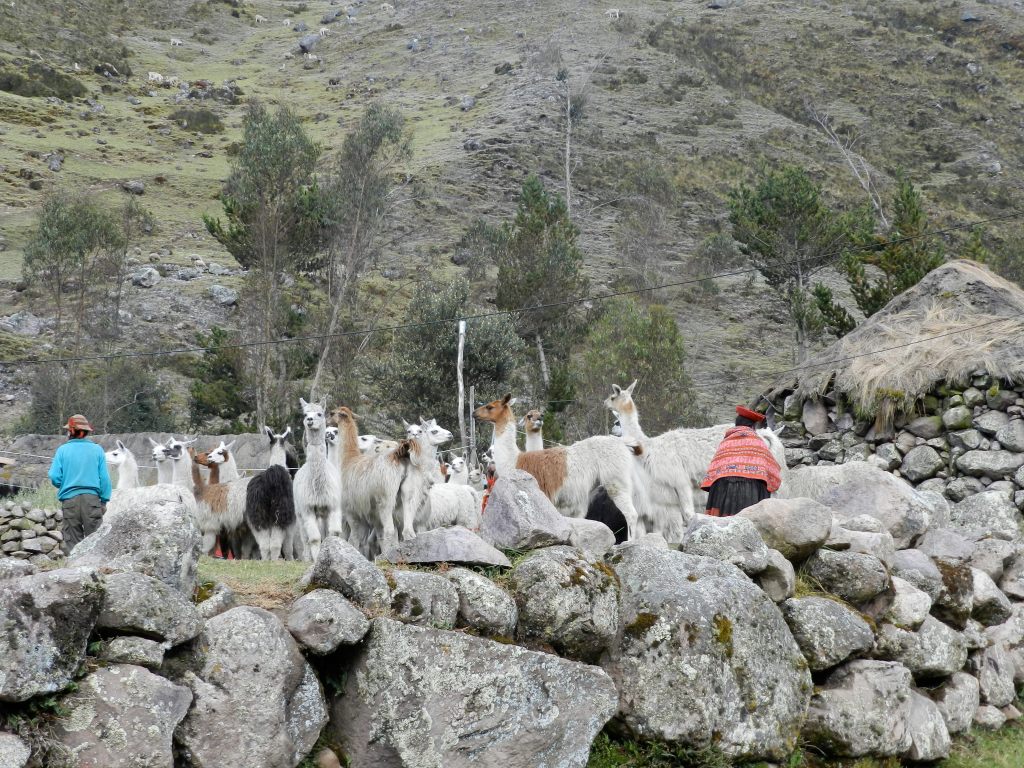
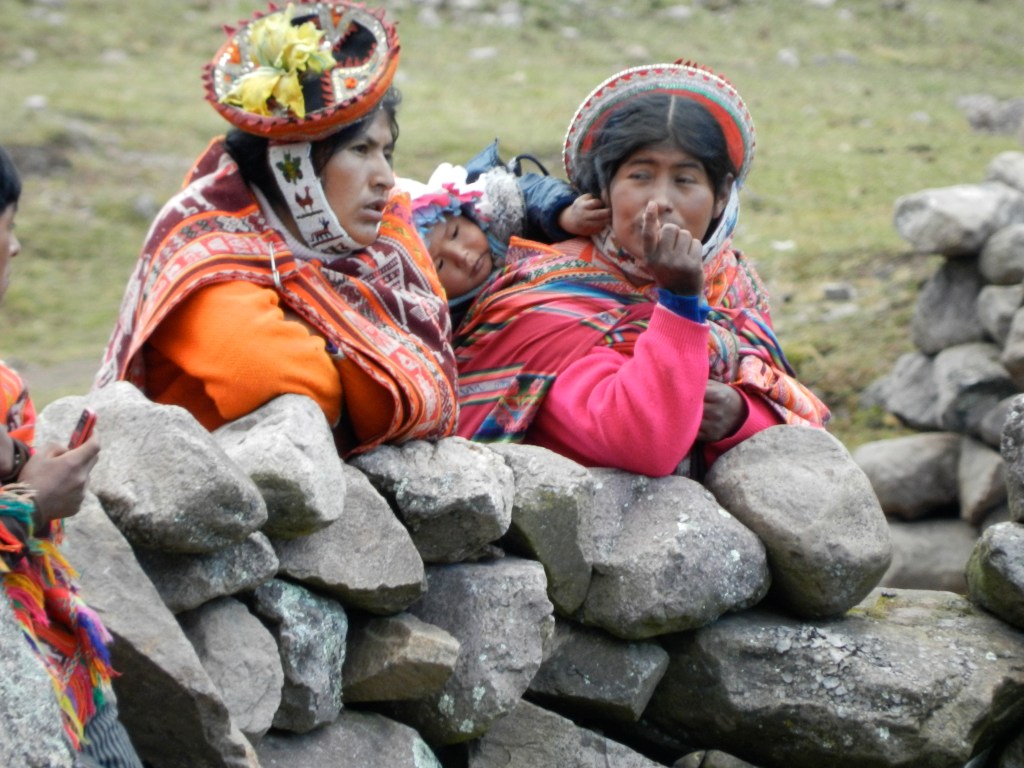
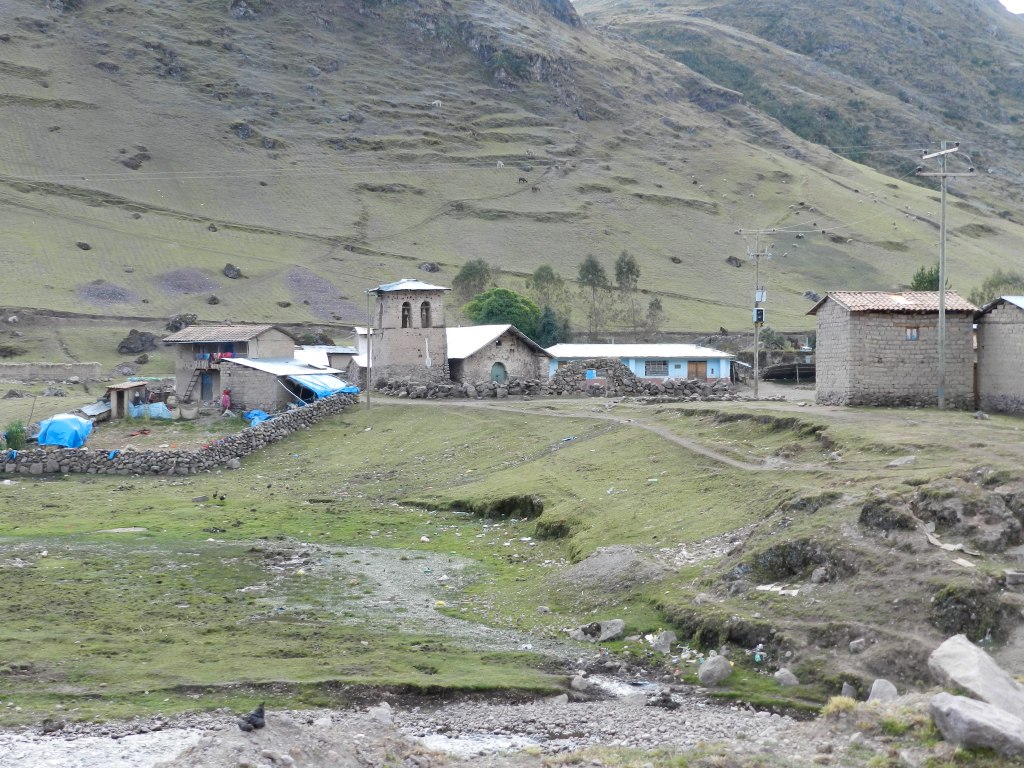
After 6 hours and 3000 ft of elevation gain we made it to Huacahuasi, our camping spot for the night. As we passed through the village, 10-15 local children ran up to greet us yelling “Buenos Tardes”. We gave each a little treat and waved as we left their small village for our camp set up in a farmer’s field outside of the settlement.

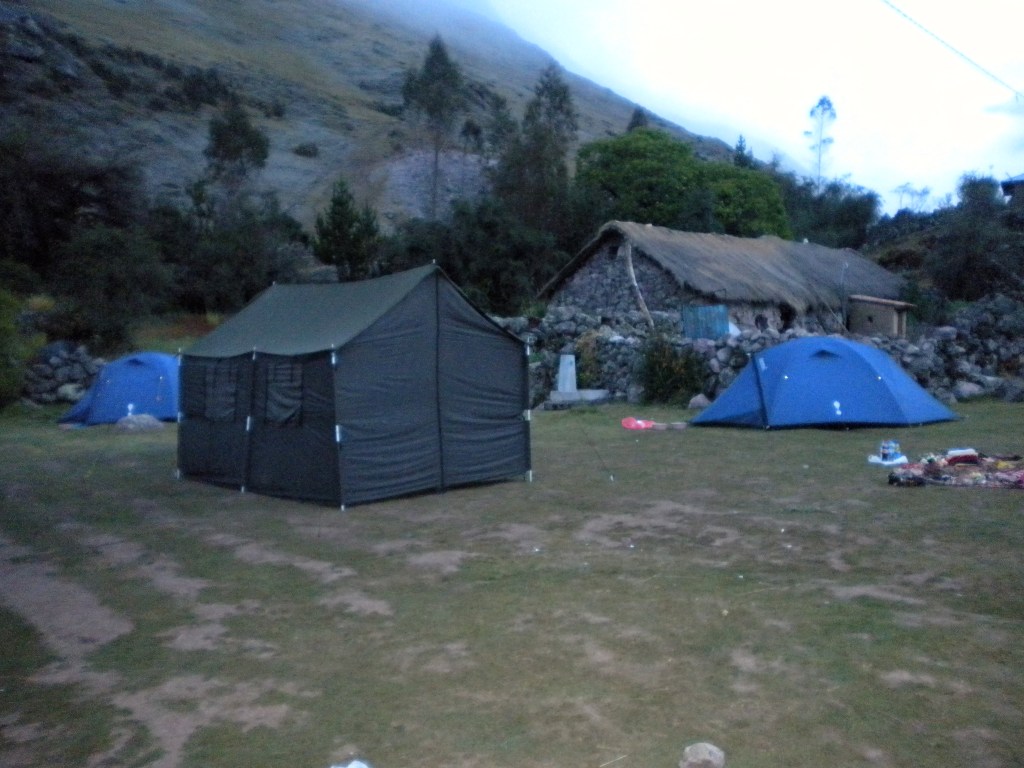
Hirardo had dinner prepared a bit after we arrived and we sat in a tent and ate dinner with our guide. After dinner, we all played cards until it was so cold we couldn’t move our fingers anymore. We stepped out of the tent to go to our respective sleeping tents and the brightness and number of stars visible stopped us in our tracks. Stef and I stood looking up and freezing for 10 minutes just awestruck by the display.
It crept down into the 30’s that night and Stef and I froze. We put layer after layer of clothes on just to try and get warm enough to sleep. Needless to say, we did not get very much shut eye and we were so thankful when Lucille “knocked” on our tent early the next morning with hot tea and some hot water to wash up with.
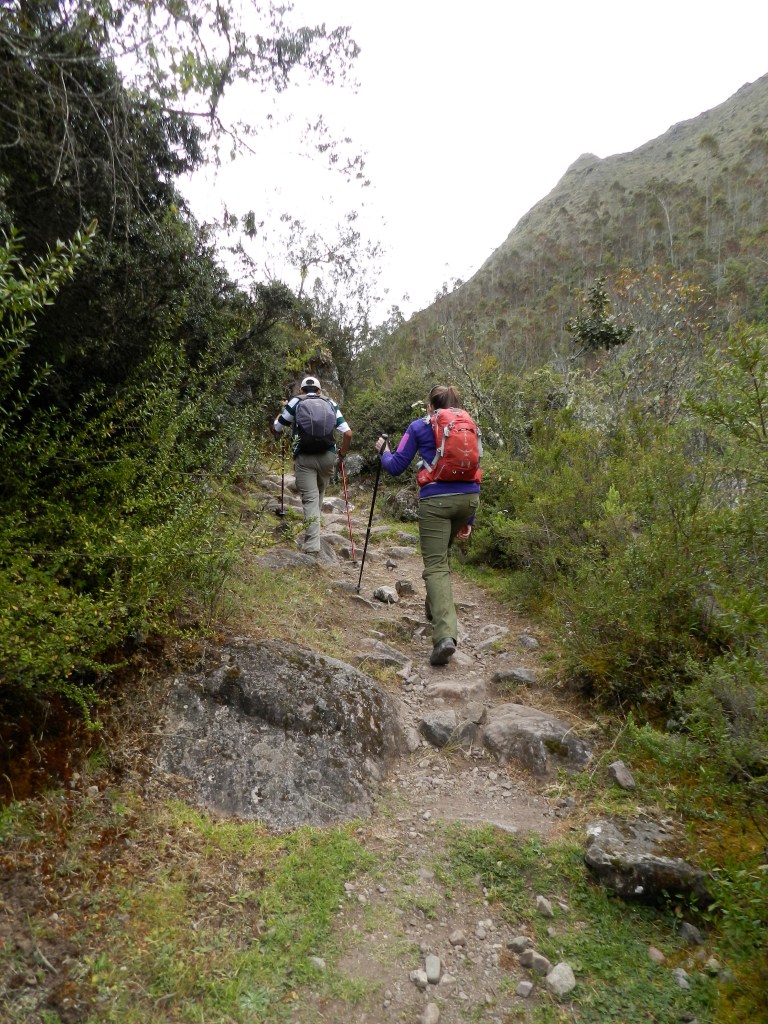
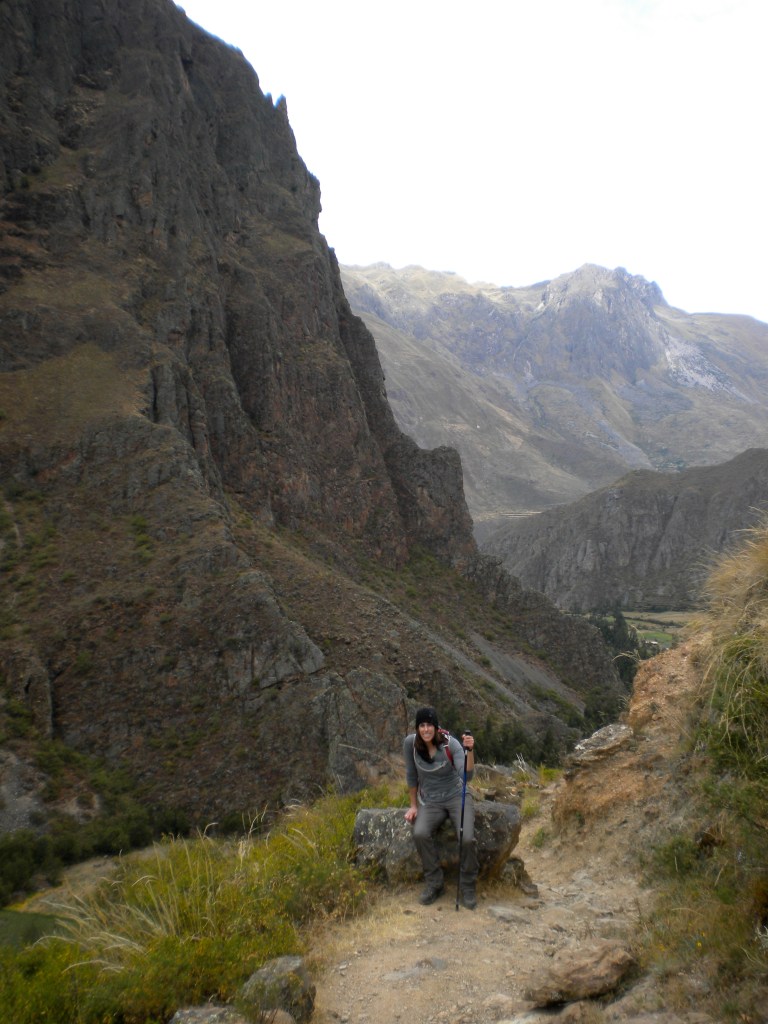
Today would be the highest pass we would have to climb so we ate a hearty breakfast, packed up our things, and set out for the day’s hike. We hiked up and up for about 4 hours in wind and rain to Ipsaycocha Pass at 14,600 ft and then back down to Patacancha for another night of camping. The view from the top of the pass was beautiful and through the clouds we could see mountain peaks all around reaching high above us at our already high elevation.


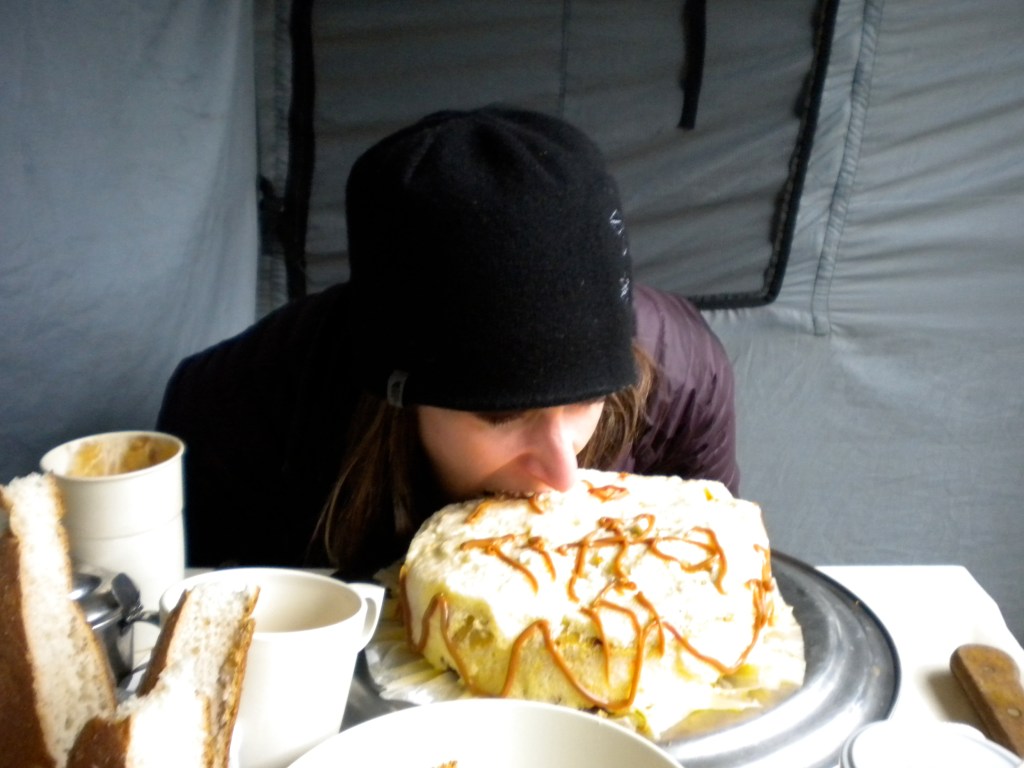
Hirardo had dinner ready again for us tonight and it came with a special surprise. Today was my birthday and they had made a cake for me and as they brought it to the table they sang “Feliz Cumpleanos”. Despite being exhausted, it was such a thoughtful gesture and definitely one of the most memorable moments from this trip.

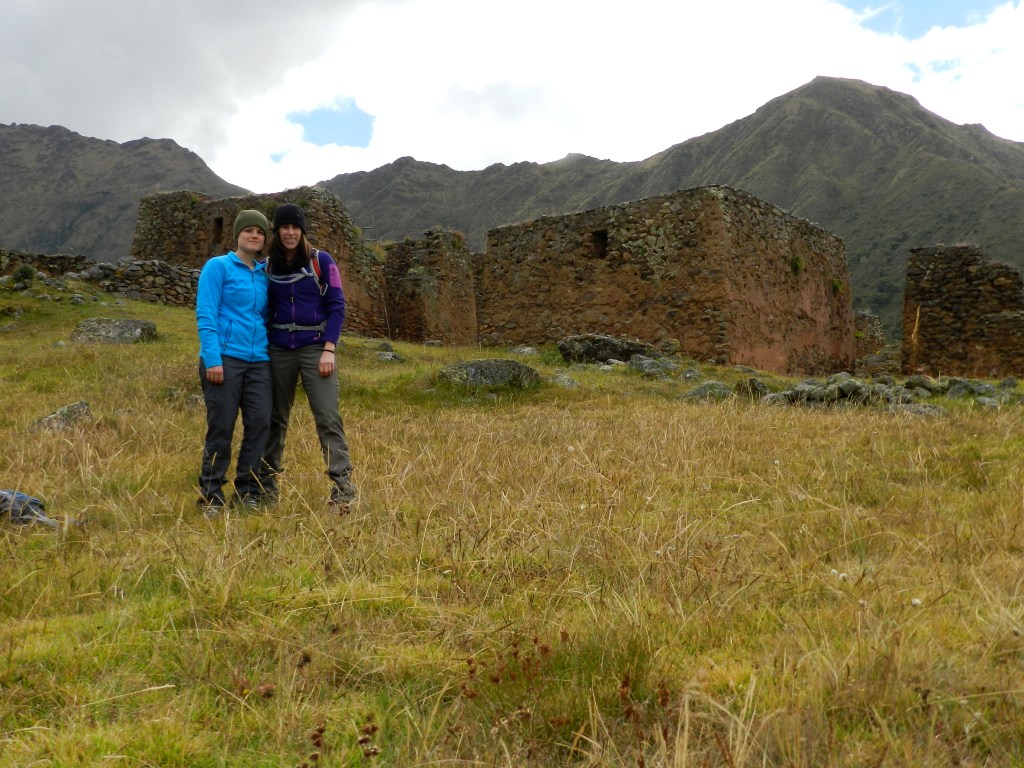
It was a warmer night than the previous but sleep was still fitful. We woke to Lucille and hot tea once again. Groggily we ate breakfast and got ourselves moving. Today was a shorter day into Ollantaytambo with a detour to more Inca ruins. The weather was much nicer and the descent into Ollantayrambo was very scenic.
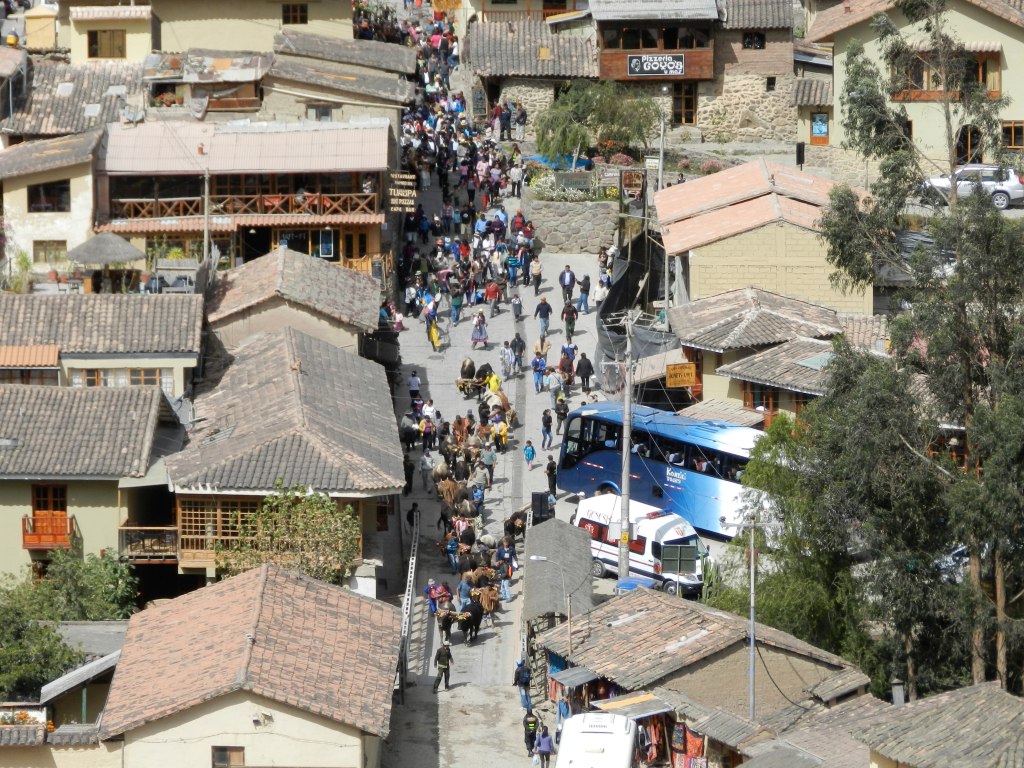
Ollantaytambo was the end of our trek and where we said goodbye to our trekking crew. We stayed in a small hotel that night and had a gloriously warm shower.
The following day we took a train to Aguas Calientes. The small mountainside town sits at 6700 ft and is the gateway to Machu Picchu. It is full of restaurants and shops and buzzing with people awaiting their glimpse at Machu Picchu.
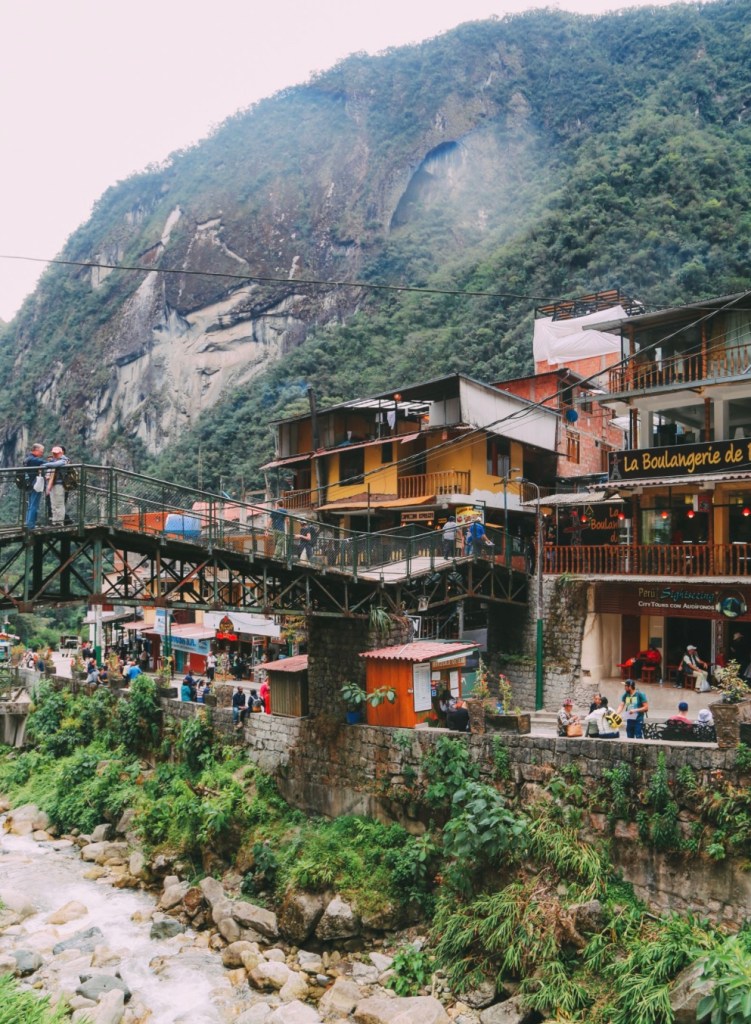
Early the next morning we boarded a bus and drove up the narrow, harrowing road to the Incan ruins. The area is truly magnificent. It’s lush and green and surrounded by mountains. Parts of the ruins have been restored and it’s fascinating to speculate how they may have lived and thrived for the century that they resided there.

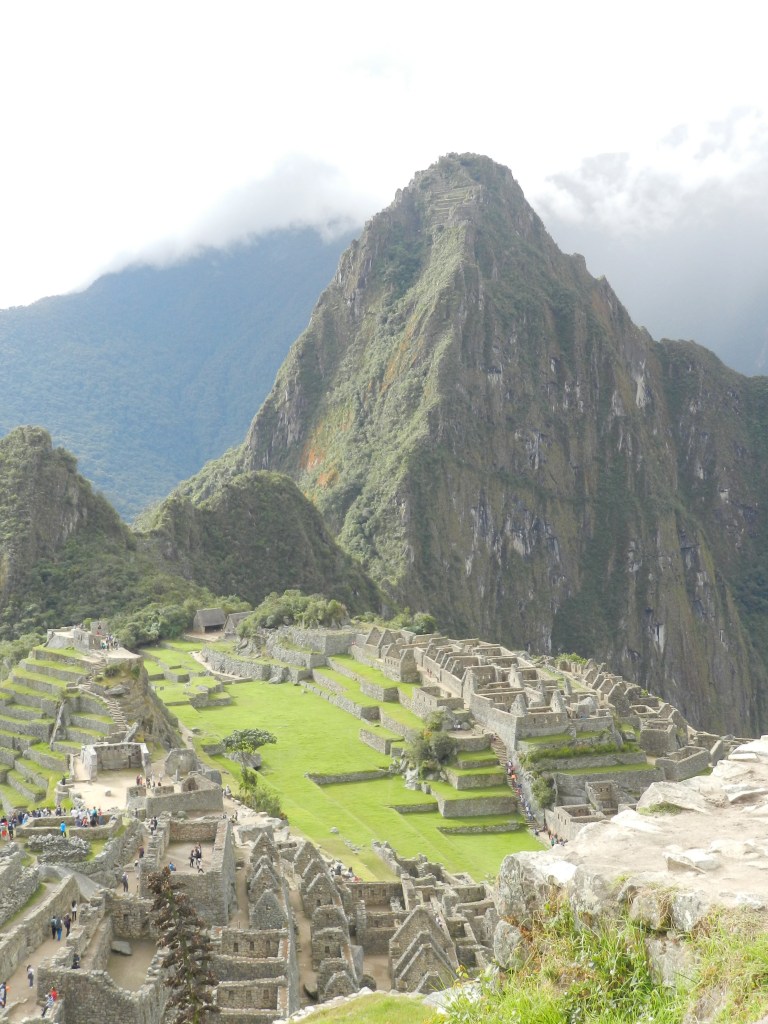
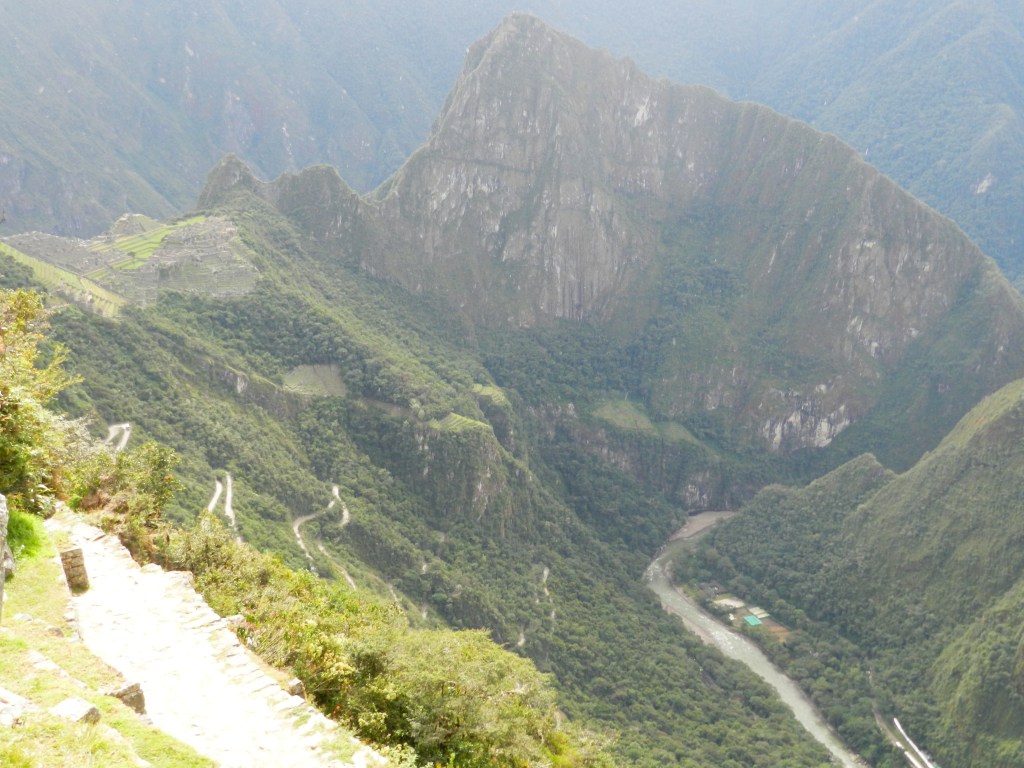
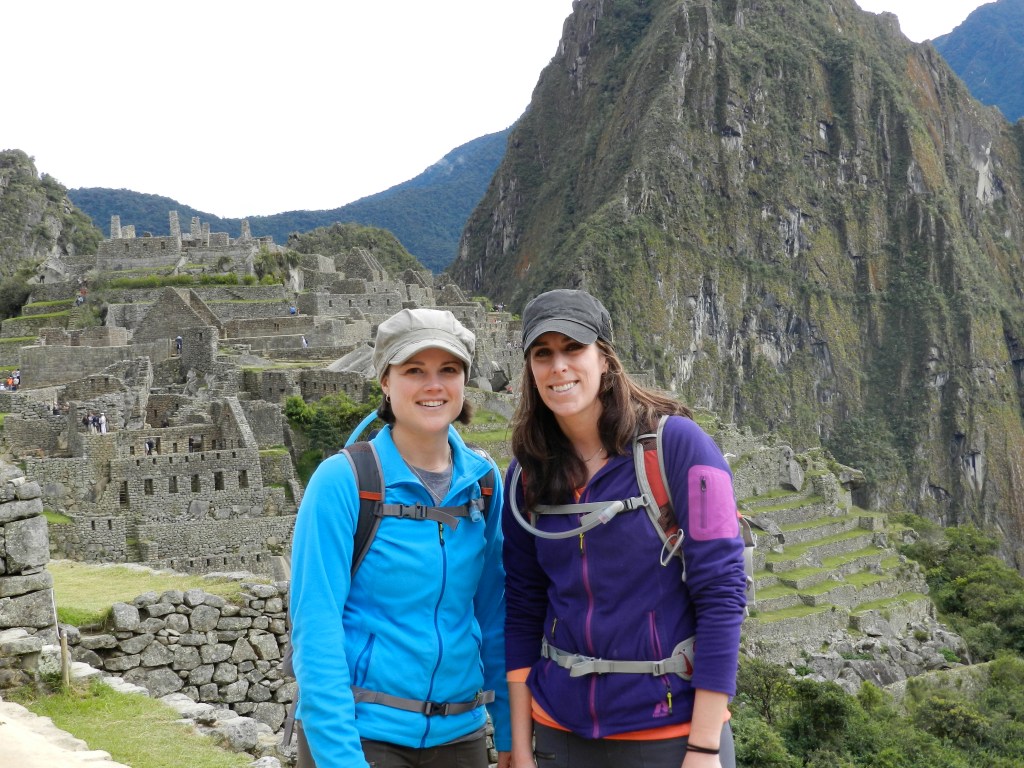
No image can quite capture the ruins, though many have tried. There is no experience quite like standing in that striking landscape and looking down on what was once a flourishing civilization.
We came home exhausted but enriched by this journey. The time we spent in the highlands of Peru felt like a true Andean cultural experience where the knowledge and traditions have been preserved by generations of weavers and farmers. The simplicity of life in those highlands is intoxicating and the desire to integrate it into everyday life is still with us.

 TURAS GIRLS
Leave a comment